“Economic Terrorism”: Energy Titans Warn of a Long-Term Crisis at the Strait of Hormuz

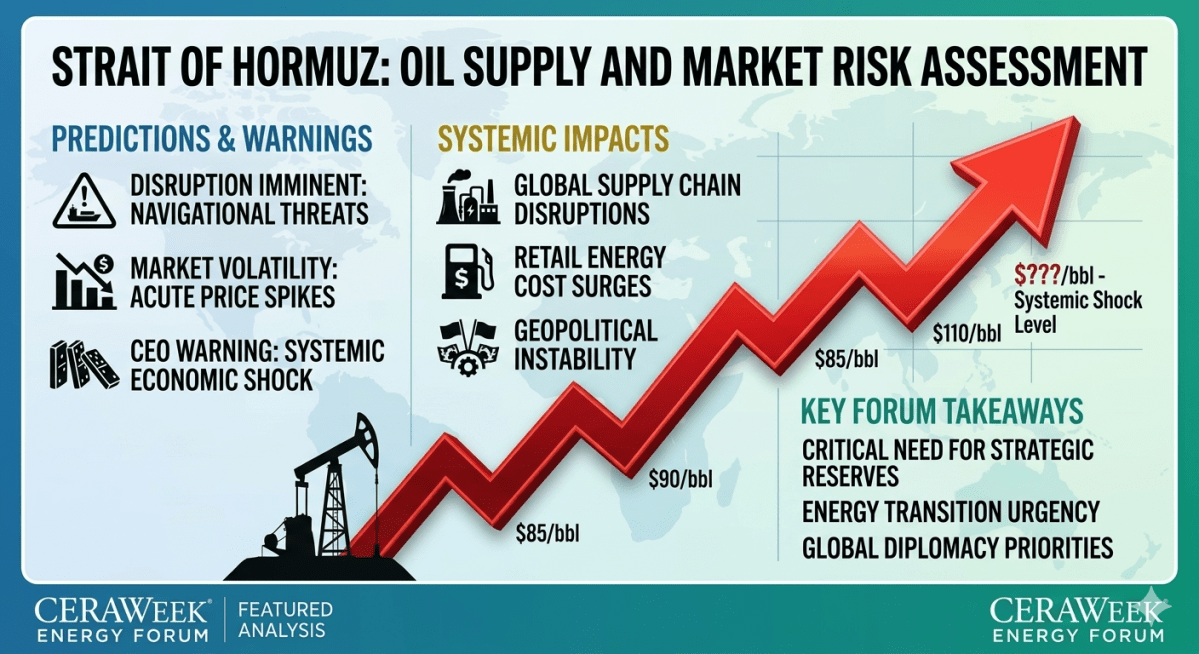
Energy executives at CERAWeek warned that the global economy is underestimating the blockade at the Strait of Hormuz, leading to a severe supply crisis. With 20% of global oil stranded and systemic inflation rising, the impact on prices for consumers will be significant. The situation is expected to disrupt the economy for months.

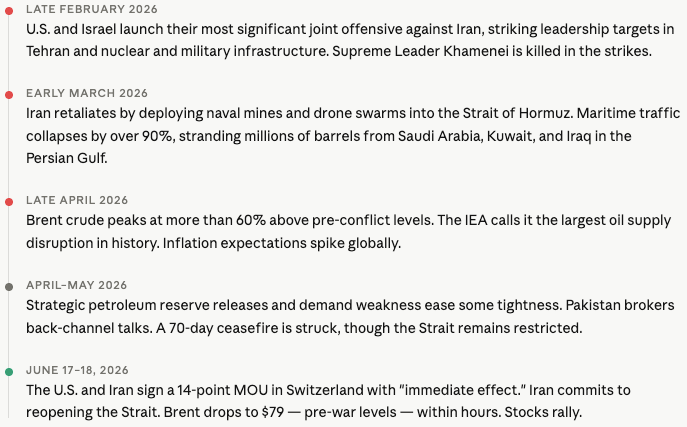
The world’s most powerful energy executives gathered this week at the CERAWeek conference in Houston, and their message was blunt: the global economy is drastically underestimating the severity of the blockade at the Strait of Hormuz. What started as a regional military standoff has evolved into what ADNOC CEO Sultan Al Jaber calls “economic terrorism against every nation.”

As “Operation Epic Fury” enters its second month, here is the reality check from the men and women who run the world’s oil and gas supply.

The “Nightmare Scenario” for Supply

For weeks, the market hoped for a quick resolution. The CEOs have officially ended that optimism. Chevron CEO Mike Wirth warned that investors are trading on “scant information” and have not yet felt the “physical manifestations” of the closure.

The logistical math is grim:

  • Stranded Assets: Roughly 20% of global oil and 25% of liquefied natural gas (LNG) are currently trapped behind the blockade.
  • The “Help!” Calls: Cheniere Energy CEO Jack Fusco revealed he is receiving desperate calls from Asian buyers as the final pre-war shipments of Qatari gas make landfall. Once those are gone, the “dry spell” begins.
  • Infrastructure Damage: Saudi Aramco’s Amin Nasser confirmed that missile and drone attacks have caused “catastrophic” damage to regional infrastructure, meaning supply won’t just “flicker back on” even if the Strait opens tomorrow.

The Inflationary Tsunami: What This Means for Your Wallet

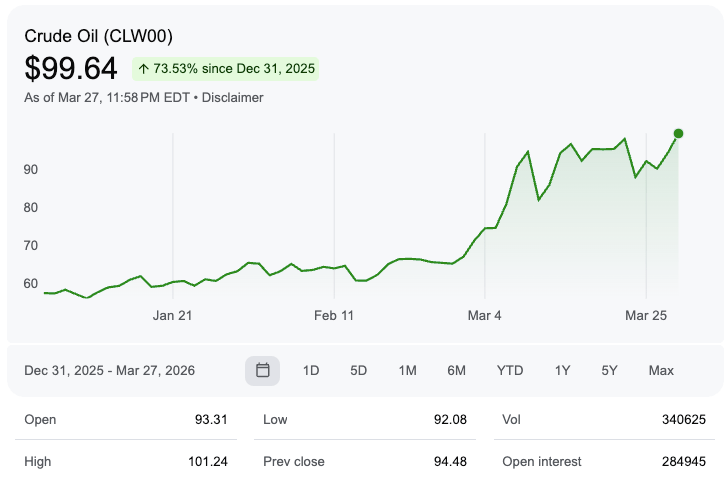
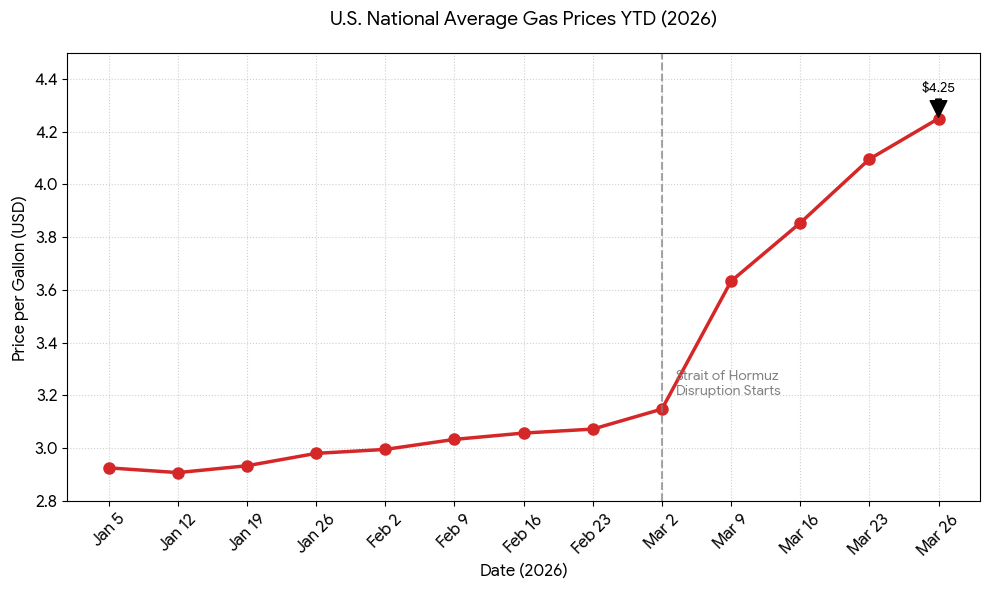
The primary concern for consumers is no longer just the price of a gallon of gas; it’s the systemic inflation triggered by a $112+ barrel of oil.

  1. “Cost-Push” Inflation: When energy costs spike, the cost of manufacturing and transporting everything follows. We are seeing a “cascading effect” where prices for groceries, plastics, and electronics are adjusted upward weekly to account for surging freight and power costs.
  2. The Fertilizer Crisis: Shell CEO Wael Sawan noted that the shock is moving West. Because the Middle East is a hub for fertilizer production, the blockade is driving up farming costs globally, guaranteeing double-digit food inflation through the next harvest cycle.
  3. The Fed’s Corner: With energy-driven inflation soaring, the Federal Reserve faces a “Stagflation” trap—forced to keep interest rates high to battle rising prices even as the military conflict threatens to slow down global economic growth.

Market Reaction: A “Risk-Off” Reality

The CEOs’ warnings have sent a chill through Wall Street. ExxonMobil CEO Darren Woods noted that the company has already evacuated non-essential staff from the region, a move mirrored by many multinationals.

Investors are pivoting away from high-growth tech stocks and toward “defensive” plays:

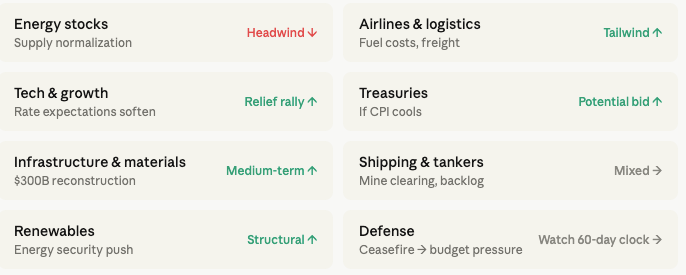
  • Winners: Large-cap Energy (XLE) and Defense contractors remain the only green spots on the board.
  • Losers: Airlines and Retailers are being hammered by the dual threat of high fuel surcharges and cooling consumer demand.

The Bottom Line: The “Leverage” strategy of deploying 10,000 more troops is being watched closely, but the energy industry is already bracing for a multi-month disruption. As Kuwait Petroleum’s CEO put it, the global economy is currently being “held hostage,” and the ransom is being paid by every consumer at the checkout counter.


Market analysis provided by The Macro Compass is for informational purposes only. Geopolitical events are highly volatile; please consult with a financial advisor before making investment decisions based on conflict-related data.

The Global Chokepoint: Why the Closure of the Strait of Hormuz Matters to Your Wallet

The world’s most important maritime artery has been constricted, and the pulse is being felt in every corner of the global economy. As the Strait of Hormuz remains effectively closed to a significant portion of global trade this March 2026, we are no longer just looking at a regional conflict—we are looking at a systemic shock to the cost of living.

Here is how the closure of this 21-mile-wide passage is rippling through the economy and, more importantly, your bank account.

The Energy Shock: Beyond the Gas Pump

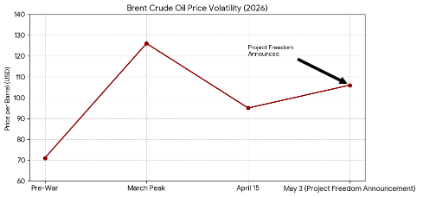
The Strait is the transit point for roughly 25% of the world’s liquid natural gas (LNG) and 20% of its oil. With these supplies stranded, Brent crude has surged past $112 a barrel.

  • The Inflation Direct Hit: Rising fuel costs are the “tax” that everyone pays. High energy prices increase the cost of producing and transporting nearly every physical good on earth.

The Kitchen Table: Food and Fertilizer

This is the hidden crisis. The Middle East is a titan in the fertilizer market, responsible for one-third of the world’s seaborne trade in urea and ammonia.

  • The Inflation Ripple: With fertilizers stuck behind the blockade, prices have jumped 38%. This isn’t just a problem for farmers; it’s a guaranteed price hike for wheat, fruits, and vegetables (already up 5.2%) in the coming months. When it costs more to grow food, it costs more to buy it.

Manufacturing and Tech: The Helium & Plastic Crisis

It’s not just oil. The region is a massive exporter of petrochemicals (the building blocks of plastic) and helium.

  • The Industry Strain: If you’re looking for a new car, a laptop, or even medical services like an MRI, costs are climbing. Helium is essential for semiconductor cooling and medical magnets. The scarcity of these raw materials is forcing manufacturers to raise MSRPs to protect their margins.

Logistics: The Long Way Around

Shipping companies are now rerouting vessels around the Cape of Good Hope. This adds 15 to 20 days to transit times and sends insurance premiums through the roof.

  • The Consumer Delay: “Just-in-time” supply chains are breaking down. Expect longer wait times for imported goods and “surcharges” on shipping and airfare as airlines struggle with the massive spike in jet fuel costs.

The Bottom Line: A Stagflationary Threat

The primary concern for the week ahead is Stagflation—a toxic mix of stagnant economic growth and high inflation. As the “cost of everything” rises due to these supply chain breaks, the Federal Reserve faces a nightmare scenario: they may be forced to keep interest rates high to fight inflation, even as the economy begins to slow down under the weight of the conflict.

The closure of the Strait isn’t just a headline about distant tankers; it’s a direct pressure cook on global inflation that will likely define the economic landscape for the rest of the year.

Troops on the Move: What Wall Street Expects for the Week Ahead

The geopolitical temperature in the Middle East just hit a boiling point, and investors are bracing for the impact. As the U.S. prepares to deploy up to 10,000 additional ground troops to the region, the market’s “wait and see” approach is rapidly shifting into a “risk-off” sprint.

If you’re watching your portfolio this weekend, here is the breakdown of how the market is expected to react when the opening bell rings on Monday, March 30, 2026.

The Oil Factor: $200 a Barrel?

Energy is the primary engine of this volatility. With “Operation Epic Fury” entering its second month, Brent crude has already climbed past $112. However, analysts at Macquarie Group warn that if the conflict escalates further—specifically involving the closure of the Strait of Hormuz—we could see a historic spike toward $200 per barrel. This isn’t just a gas pump problem; it’s a massive inflationary headwind that could force the Federal Reserve to keep interest rates high.

Equity Markets: The Correction Search

The S&P 500 has already shed over 4% in March, and the bleeding might not be over. Many strategists suggest that a formal ground invasion could trigger a broader 8% to 10% correction.

  • The Losers: Tech giants and growth stocks (the “Magnificent Seven”) are feeling the heat as rising Treasury yields make their future earnings less attractive.
  • The Winners: Energy (XLE) and Defense sectors continue to outperform the broader market as military spending and oil prices surge.

The Flight to Safety

When the drums of war beat louder, investors hide in the classics. Expect the U.S. Dollar and Gold to see continued strength next week. Gold, in particular, remains the ultimate hedge against the “Stagflation” fears—rising prices coupled with slowing growth—that are currently haunting global markets.

The “Peace Deal” Wildcard

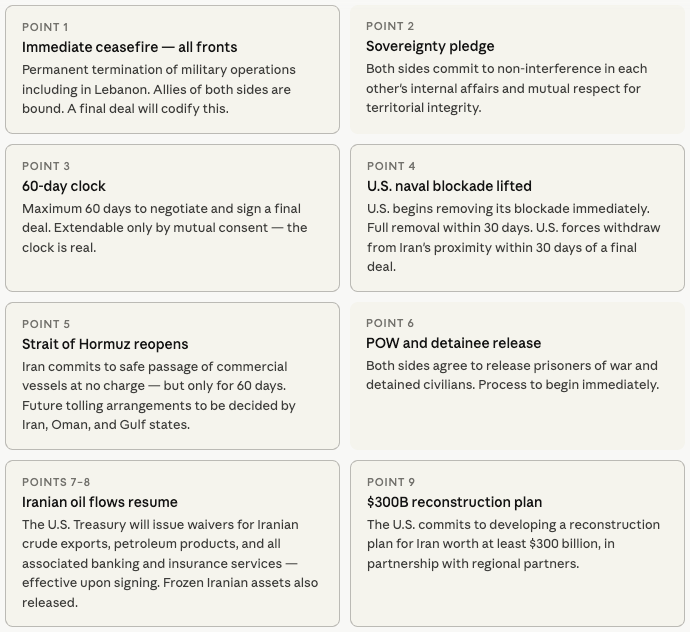
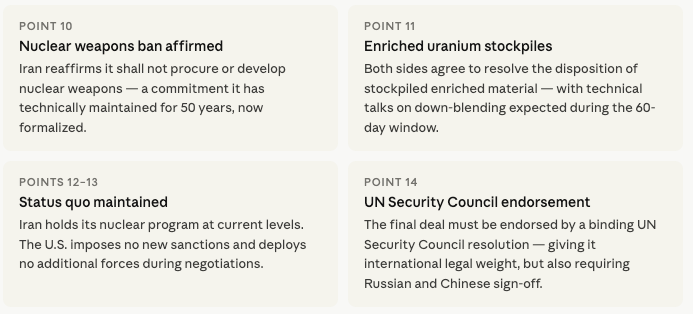
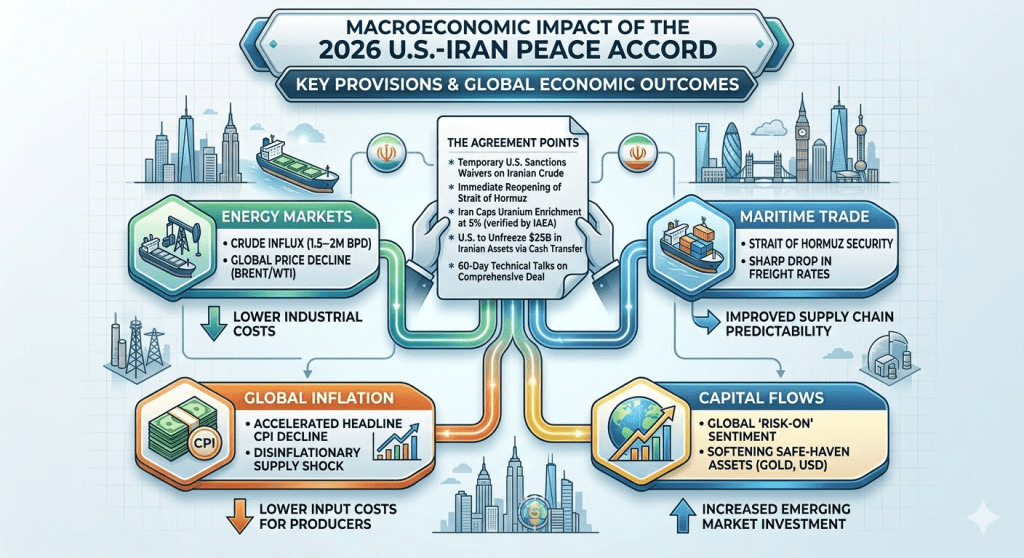
The biggest variable remains the rhetoric from the White House. While troop movements signal escalation, President Trump has maintained that this buildup is a negotiating tactic to force a peace deal with Iran. He has predicted the economy will “take off like a rocket ship” once a resolution is reached. Whether the market believes that “leverage” story or prepares for a prolonged conflict will dictate the swing of every trading session next week.

The Bottom Line: Expect a bumpy ride. High-tempo combat operations are projected to last at least another two to four weeks, meaning volatility is the new “normal” for the foreseeable future.

Will the Iran War Trigger a Petrodollar Exodus from U.S. Markets?

The recent escalation of the Iran conflict has raised a pressing question for investors: could Gulf oil-exporting nations pull their trillions of petrodollars out of U.S. markets? While the headlines may suggest a potential exodus, the reality is far more nuanced.


🛢️ What Are Petrodollars?

When countries like Saudi Arabia, the UAE, and Qatar sell oil, they are paid in U.S. dollars. These dollars are then reinvested globally through:

  • U.S. Treasury bonds
  • Equities
  • Real estate and private equity

This reinvestment process, called petrodollar recycling, has been a cornerstone of global finance for decades.


⚠️ Why Investors Are Watching Now

The Iran war has created geopolitical uncertainty in the Gulf, prompting some sovereign funds to review their global investment strategies. Funds such as:

  • Saudi Arabia Public Investment Fund (~$1.1T)
  • Abu Dhabi Investment Authority (~$1.1T)
  • Kuwait Investment Authority (~$1T)
  • Qatar Investment Authority (~$500B)

control trillions of dollars in assets—enough that even a small reallocation could move global markets.


💵 But There’s No Exodus… Yet

Despite heightened tensions:

  • There has been no major withdrawal from U.S. markets.
  • Gulf financial hubs like Dubai and Doha continue normal investment activity.
  • The U.S. dollar has actually strengthened, as investors flock to safe-haven assets.

Ironically, the uncertainty caused by the war often increases demand for U.S. assets, rather than decreasing it.


🔑 Why Gulf Funds Still Rely on U.S. Markets

Even with the conflict, the U.S. remains a preferred destination for petrodollars because:

  1. Liquidity: Few markets can absorb hundreds of billions of dollars.
  2. Tech and venture capital: Many high-return opportunities are U.S.-based.
  3. Dollar-denominated oil trade: Accumulated dollars must be reinvested somewhere.

⚡ When Could a Real Exit Happen?

A major petrodollar withdrawal is unlikely without significant geopolitical shifts, such as:

  • A collapse of Gulf-U.S. security alliances
  • A shift of oil trade to currencies like the Chinese yuan
  • Targeted sanctions or restrictions on Gulf assets

Until then, any movement is likely to be gradual diversification, not a sudden pullout.


🌍 The Real Trend: Diversification, Not Abandonment

Gulf sovereign funds are increasingly diversifying into:

  • China and India
  • Southeast Asia
  • Europe
  • Domestic megaprojects

This reduces dependence on U.S. markets while keeping the bulk of their petrodollars invested in safe, liquid assets.


✅ Bottom Line

The Iran war raises legitimate concerns about global capital flows. But historically and currently, there is no large-scale petrodollar exit from the U.S. In fact, uncertainty often drives more money into U.S. assets, not away.

For investors, the takeaway is clear: watch for gradual diversification trends, but don’t expect an immediate flood out of U.S. markets.

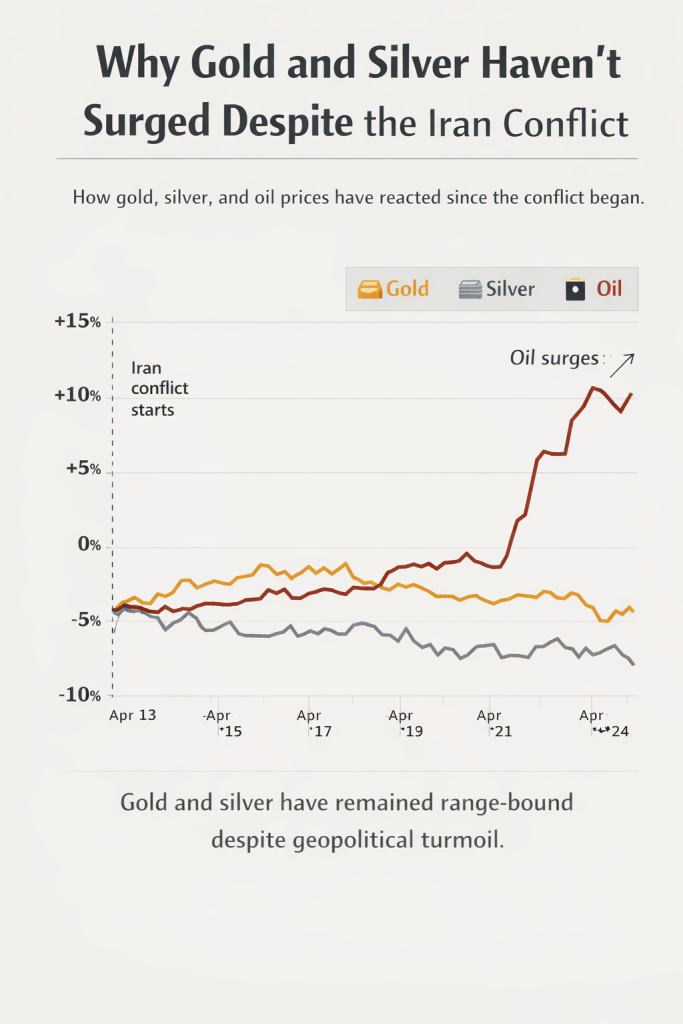
Why Gold and Silver Haven’t Surged Despite the Iran Conflict

Geopolitical turmoil, such as the recent escalation in the Iran war, often drives investors toward traditional safe-haven assets like gold and silver. Yet, despite attacks on ships in the Strait of Hormuz and rising oil prices, precious metals haven’t seen the dramatic spike many expected. Understanding why requires a closer look at both market psychology and broader economic factors.


📉 The Safe-Haven Puzzle

Gold and silver typically gain when investors seek protection from:

  • Geopolitical risk
  • Currency devaluation
  • Inflation concerns

However, the current market is showing a muted reaction. Prices for gold and silver remain largely range-bound, even as energy markets and equities react to the Middle East conflict.


🔹 Key Factors Suppressing Precious Metals

  1. Strong U.S. Dollar
    Despite the war, the U.S. dollar has strengthened. A stronger dollar makes gold and silver more expensive for holders of other currencies, reducing demand.
  2. Inflation vs. Interest Rates
    Inflation is rising due to energy costs, but central banks are still maintaining relatively high interest rates. Higher rates increase the opportunity cost of holding non-yielding assets like gold and silver.
  3. Risk Appetite in Other Assets
    Some investors are rotating into energy stocks or commodities that may benefit directly from higher oil prices rather than into metals. This has diverted capital away from gold and silver.
  4. Short-Term Market Sentiment
    Precious metals often react to immediate, tangible shocks—like a sudden currency crisis or global financial panic. While the Iran conflict is serious, markets have priced in a gradual escalation, and interventions such as the IEA oil reserve release may reduce panic-driven buying.

🔹 Metals Outlook

Analysts suggest that if geopolitical tensions escalate further, or if energy-driven inflation pressures persist, gold and silver could still see a delayed surge. For now, though:

  • Prices remain range-bound
  • Safe-haven buying is tempered by strong dollar and higher rates
  • Market participants are weighing oil market profits versus traditional hedges

📊 Bottom Line

Gold and silver are not always the immediate beneficiaries of geopolitical turmoil. Current economic conditions—strong dollar, elevated interest rates, and alternative avenues for hedging—are suppressing the metals’ typical reaction to risk.

Investors looking for safe havens may need to wait for further escalation or clear signs of economic stress before metals see a meaningful rally.


How Iran’s Attacks in the Strait of Hormuz and Record Oil Reserve Releases Are Shaking Global Markets

The past week has delivered some of the most dramatic swings in energy and financial markets in years. As Iran ramps up attacks on commercial vessels in the Strait of Hormuz—a waterway that normally handles about 20% of global oil shipments—oil markets have rocketed, some producers have cut output, and governments have responded with unprecedented intervention.


🛢️ Oil Markets: Prices Up, Volatility Up

Despite a historic intervention by the International Energy Agency (IEA) to release 400 million barrels from global strategic reserves—the largest such release in history—oil prices have remained elevated and volatile. Crude benchmarks like Brent have traded above $90–$100 per barrel as supply fears persist.

This demonstrates two key points:

  1. Reserve releases temper extreme price spikes, but they cannot fully offset sudden disruptions.
  2. Markets are pricing in a significant risk premium because the Strait of Hormuz remains threatened and regional energy infrastructure is under attack.

⚓ The Strait of Hormuz: A Choke Point With Global Reach

The Strait of Hormuz is a critical artery for global oil. Any disruption affects not only Iranian exports but also supplies from Saudi Arabia, Iraq, Kuwait, and the UAE. Even temporary interruptions trigger rapid price swings as traders hedge for worst-case scenarios.


📉 Broader Market Impact

  1. Stock markets have wobbled — global equity indexes dipped as oil prices surged and inflation fears grew. Energy costs affect transportation, manufacturing, airlines, and logistics.
  2. Supply chains beyond energy are strained — freight disruptions and rising shipping costs ripple through global commodity flows.
  3. Safe-haven assets are in demand — investors rotate into bonds, gold, and other low-risk assets during periods of uncertainty.

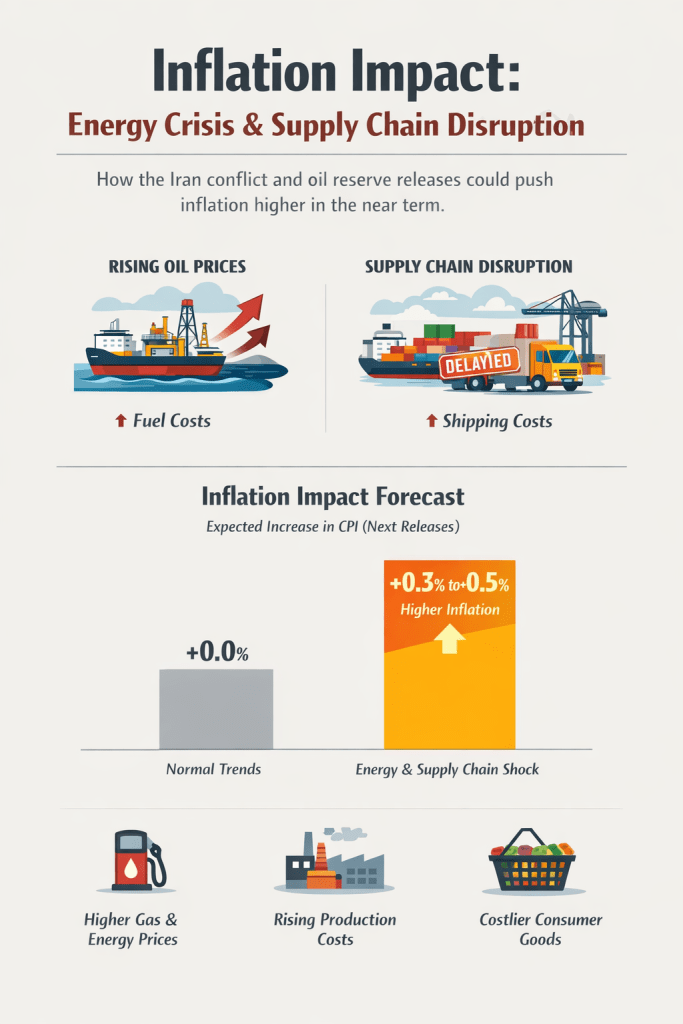
💹 Inflationary Pressure Forecast

The combination of elevated oil prices and disrupted shipping routes is expected to push inflation higher in the near term. Key points:

  • Transportation costs rise as shipping becomes riskier and fuel prices climb.
  • Goods production costs increase because petroleum-based inputs for manufacturing and chemicals become more expensive.
  • Consumer prices for energy and essential goods are likely to increase in the coming months, adding pressure on headline inflation.

Analysts forecast that inflation readings could be 0.3–0.5% higher than baseline expectations in the next CPI releases, primarily driven by energy and transportation costs. Central banks may respond cautiously, weighing both the temporary nature of the shock and the risk of broader economic slowing.


🧠 What the IEA Release Really Means

The coordinated release of 400 million barrels is extraordinary:

  • Provides near-term supply relief
  • Signals global policymakers are taking the energy shock seriously
  • Demonstrates international cooperation in a global energy crisis

However, markets see it as a stabilizing buffer, not a permanent solution. If attacks in the Strait of Hormuz continue, oil supply shocks and inflationary pressures are likely to persist.


📊 In Summary

With Iran attacking ships in the Strait of Hormuz and a record oil reserve release underway, markets are reacting on multiple fronts:

  • Oil prices remain elevated and volatile.
  • Equity markets are cautious due to inflation and growth concerns.
  • Supply chain costs beyond energy are climbing.
  • Inflationary pressure is expected to rise in the near term.

Even with strategic reserve releases, the uncertainty surrounding shipping lanes and regional energy security will keep markets headline-driven in the coming weeks.


Iran War: Impact on Oil Production, Prices, and the Global Supply Chain

The ongoing conflict involving Iran has quickly become one of the most significant shocks to global energy markets in recent years. Because the Middle East sits at the center of global oil production and transportation, disruptions in the region can ripple through the entire energy ecosystem—from crude production to transportation networks and global supply chains.

Impact on Oil Production

Iran is a meaningful oil producer. Under normal conditions, the country produces roughly 3.2 million barrels of oil per day, exporting about 1.4 million barrels daily to global markets.

However, the broader risk extends far beyond Iran’s own output. Military strikes, infrastructure damage, and regional instability have the potential to affect oil facilities across multiple Gulf producers and disrupt logistics throughout the region. In total, disruptions in the region could threaten up to one-fifth of global oil supply, making the conflict a major global energy event rather than a localized issue.

Oil production can also fall indirectly during conflicts because:

  • Workers evacuate or halt operations
  • Facilities are damaged or temporarily shut down
  • Export terminals become inaccessible
  • Tanker shipping becomes unsafe

Even temporary shutdowns can tighten global supply significantly.

Disruption of Shipping Routes

One of the biggest risks comes from the Strait of Hormuz, a narrow shipping channel between Iran and Oman that handles roughly 20% of the world’s oil shipments.

During periods of conflict, shipping activity in the strait often slows as tanker operators avoid the area due to security risks. When shipping routes become unstable:

  • Oil exports slow or stop
  • Tankers remain anchored offshore
  • Storage facilities fill up
  • Global energy supply chains tighten

Because so much oil passes through this chokepoint, even the threat of disruption can cause markets to react immediately.

Impact on Oil Prices

Energy markets typically see sharp volatility during geopolitical conflicts in the Middle East. Prices often rise quickly as traders price in potential supply shortages and geopolitical risk.

Several factors push prices higher during conflicts:

  • Reduced production capacity
  • Shipping disruptions
  • Increased insurance and transport costs
  • A geopolitical “risk premium” added by traders

Even if physical supply remains mostly intact, markets often bid prices higher simply due to uncertainty.

Effects on the Global Supply Chain

Higher oil prices and disrupted shipping routes can have far-reaching consequences beyond the energy sector. Oil is a fundamental input into transportation, manufacturing, and logistics worldwide.

When oil prices rise or supply becomes unstable, supply chains may experience:

Higher transportation costs
Trucking, rail, shipping, and air freight all rely heavily on fuel. Rising fuel prices increase the cost of moving goods globally.

Manufacturing cost pressures
Many industrial materials and chemicals depend on petroleum-based inputs, which can increase production costs.

Shipping delays and bottlenecks
If tanker traffic slows through key routes like the Strait of Hormuz, it can delay deliveries and tighten global inventories.

Food and consumer price pressure
Higher transportation and fertilizer costs can eventually flow through to food and consumer goods prices.

Broader Economic Implications

Energy price shocks have historically rippled through the broader economy. Rising oil prices can increase business operating costs, reduce consumer purchasing power, and contribute to inflation.

For consumers, the most visible effects are often:

  • Higher gasoline prices
  • More expensive shipping and transportation
  • Rising costs for everyday goods

The Bottom Line

The Iran conflict is impacting the global energy system through multiple channels at once: potential disruptions to production, threats to key shipping routes, and heightened geopolitical risk.

Together, these factors are increasing volatility in energy markets and putting pressure on global supply chains. Even if the conflict stabilizes in the near term, the ripple effects could continue influencing energy markets and global trade for months.

Market Reaction to US-Israel Attack on Iran

Here’s a real-time snapshot of how global markets are reacting now that the U.S. (alongside Israel) has carried out military strikes against Iran and what that means for prices, volatility, and especially commodities like gold and silver:


🛢 Commodities First: Gold & Silver (and Oil)

📈 Gold

  • Safe-haven demand is rising sharply as markets price in heightened geopolitical risk and potential supply disruptions. Analysts are watching gold closely as investors hedge uncertainty and inflation risk tied to oil. (TradingView)

📈 Silver

  • Silver typically swings even more than gold because it’s partly an industrial metal — but right now the “fear premium” is dominating demand, so it’s up alongside gold as traders shift out of risk assets and into hard assets. (TradingView)

🛢 Oil

  • Crude prices have spiked (Brent around ~$73+ and climbing) as traders price in the risk that conflict could disrupt supply — especially shipments through the Strait of Hormuz, a chokepoint for ~20 % of the world’s oil. (Investing.com South Africa)
  • Some analysts see Brent hitting $80 a barrel near-term if the conflict persists, and up to $100+ in a prolonged war scenario before prices cool. (The National)

👉 What this means for gold & silver:

  • Gold usually goes up when oil and inflation risk rise — and we’re seeing that behavior now.
  • Silver often outperforms during sharp fear rallies but can also be more volatile if growth fears (which hit demand) outweigh safe-haven buying.

📉 Stock Markets & Risk Appetite

🏦 Equity markets broadly weaker

  • U.S. stocks have been sliding, with markets moving into risk-off mode — meaning investors prefer safety over risk assets — partly because of inflation concerns tied to oil and broader uncertainty. (The Times of India)

🪖 Sector rotation

  • Defense and energy stocks are climbing as expectations for government and military spending rise. (Barron’s)
  • Airlines and travel-related stocks are under pressure due to higher fuel costs and route disruptions. (Barron’s)

📊 Macro / Broader Impacts

📈 Inflation risk rising

  • Higher oil prices are undermining hopes that the Fed could cut interest rates this year. Elevated energy costs translate into higher consumer prices, which supports continued defensive positioning among investors. (MarketWatch)

💹 Volatility up

  • Markets are jittery and swings are larger than usual — these aren’t calm price moves but fear-driven repricing events. Safe havens like gold, government bonds, and the U.S. dollar are outperforming more speculative assets right now. (TradingView)

🟡 Bottom Line on Gold & Silver Right Now

Gold: Likely to continue rising or stay elevated as long as tension persists and oil prices stay high — investors buy gold as a hedge against inflation and geopolitical risk. (TradingView)
Silver: Also likely to rise strongly, but expect higher volatility than gold — silver tends to amplify moves in safe-haven environments. (TradingView)
⚠️ Both can pull back sharply if news suggests a quick de-escalation or resolution, so trading them can be choppy.