The Global Chokepoint: Why the Closure of the Strait of Hormuz Matters to Your Wallet

The world’s most important maritime artery has been constricted, and the pulse is being felt in every corner of the global economy. As the Strait of Hormuz remains effectively closed to a significant portion of global trade this March 2026, we are no longer just looking at a regional conflict—we are looking at a systemic shock to the cost of living.

Here is how the closure of this 21-mile-wide passage is rippling through the economy and, more importantly, your bank account.

The Energy Shock: Beyond the Gas Pump

The Strait is the transit point for roughly 25% of the world’s liquid natural gas (LNG) and 20% of its oil. With these supplies stranded, Brent crude has surged past $112 a barrel.
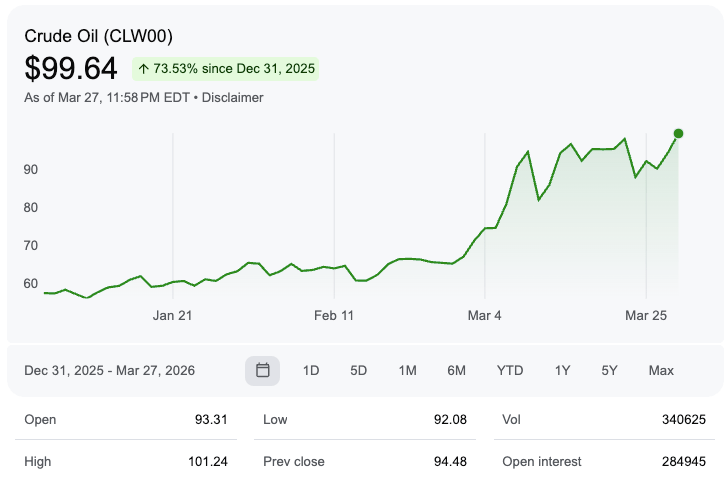
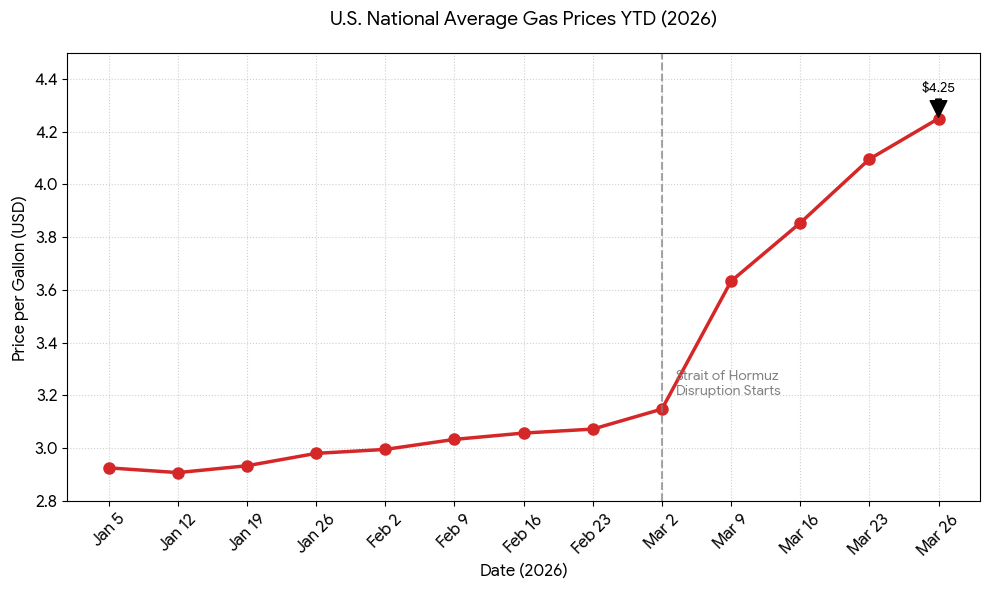
  • The Inflation Direct Hit: Rising fuel costs are the “tax” that everyone pays. High energy prices increase the cost of producing and transporting nearly every physical good on earth.
The Kitchen Table: Food and Fertilizer

This is the hidden crisis. The Middle East is a titan in the fertilizer market, responsible for one-third of the world’s seaborne trade in urea and ammonia.

  • The Inflation Ripple: With fertilizers stuck behind the blockade, prices have jumped 38%. This isn’t just a problem for farmers; it’s a guaranteed price hike for wheat, fruits, and vegetables (already up 5.2%) in the coming months. When it costs more to grow food, it costs more to buy it.

Manufacturing and Tech: The Helium & Plastic Crisis

It’s not just oil. The region is a massive exporter of petrochemicals (the building blocks of plastic) and helium.

  • The Industry Strain: If you’re looking for a new car, a laptop, or even medical services like an MRI, costs are climbing. Helium is essential for semiconductor cooling and medical magnets. The scarcity of these raw materials is forcing manufacturers to raise MSRPs to protect their margins.

Logistics: The Long Way Around

Shipping companies are now rerouting vessels around the Cape of Good Hope. This adds 15 to 20 days to transit times and sends insurance premiums through the roof.

  • The Consumer Delay: “Just-in-time” supply chains are breaking down. Expect longer wait times for imported goods and “surcharges” on shipping and airfare as airlines struggle with the massive spike in jet fuel costs.

The Bottom Line: A Stagflationary Threat

The primary concern for the week ahead is Stagflation—a toxic mix of stagnant economic growth and high inflation. As the “cost of everything” rises due to these supply chain breaks, the Federal Reserve faces a nightmare scenario: they may be forced to keep interest rates high to fight inflation, even as the economy begins to slow down under the weight of the conflict.

The closure of the Strait isn’t just a headline about distant tankers; it’s a direct pressure cook on global inflation that will likely define the economic landscape for the rest of the year.
Troops on the Move: What Wall Street Expects for the Week Ahead

The geopolitical temperature in the Middle East just hit a boiling point, and investors are bracing for the impact. As the U.S. prepares to deploy up to 10,000 additional ground troops to the region, the market’s “wait and see” approach is rapidly shifting into a “risk-off” sprint.

If you’re watching your portfolio this weekend, here is the breakdown of how the market is expected to react when the opening bell rings on Monday, March 30, 2026.

The Oil Factor: $200 a Barrel?

Energy is the primary engine of this volatility. With “Operation Epic Fury” entering its second month, Brent crude has already climbed past $112. However, analysts at Macquarie Group warn that if the conflict escalates further—specifically involving the closure of the Strait of Hormuz—we could see a historic spike toward $200 per barrel. This isn’t just a gas pump problem; it’s a massive inflationary headwind that could force the Federal Reserve to keep interest rates high.

Equity Markets: The Correction Search

The S&P 500 has already shed over 4% in March, and the bleeding might not be over. Many strategists suggest that a formal ground invasion could trigger a broader 8% to 10% correction.

  • The Losers: Tech giants and growth stocks (the “Magnificent Seven”) are feeling the heat as rising Treasury yields make their future earnings less attractive.
  • The Winners: Energy (XLE) and Defense sectors continue to outperform the broader market as military spending and oil prices surge.

The Flight to Safety

When the drums of war beat louder, investors hide in the classics. Expect the U.S. Dollar and Gold to see continued strength next week. Gold, in particular, remains the ultimate hedge against the “Stagflation” fears—rising prices coupled with slowing growth—that are currently haunting global markets.

The “Peace Deal” Wildcard

The biggest variable remains the rhetoric from the White House. While troop movements signal escalation, President Trump has maintained that this buildup is a negotiating tactic to force a peace deal with Iran. He has predicted the economy will “take off like a rocket ship” once a resolution is reached. Whether the market believes that “leverage” story or prepares for a prolonged conflict will dictate the swing of every trading session next week.

The Bottom Line: Expect a bumpy ride. High-tempo combat operations are projected to last at least another two to four weeks, meaning volatility is the new “normal” for the foreseeable future.

Why the Fed Might Hike Rates Next — Even When Everyone Expected Cuts

For most of 2026, the narrative seemed straightforward: inflation was cooling, the labor market was stabilizing, and the Federal Reserve would likely begin cutting interest rates.

That narrative is now… shaky.

A mix of geopolitical shocks, stubborn inflation signals, and a still-resilient labor market has forced investors—and the Fed—to reconsider. What once looked like a clear path to easing policy has turned into a “wait… could they actually hike again?” moment.

Let’s break down why.


1. Geopolitical Tensions Are Reigniting Inflation

The biggest wildcard right now is geopolitics—specifically the escalating conflict involving Iran and disruptions in global energy markets.

Oil prices have surged sharply due to supply concerns, with key shipping routes like the Strait of Hormuz under threat. That matters because energy costs ripple through everything: transportation, food, manufacturing, and ultimately consumer prices.

  • Oil shocks historically feed directly into inflation
  • Higher energy costs reduce consumer spending power
  • Businesses pass increased costs onto consumers

Fed officials are already warning that prolonged disruptions could push inflation higher again and shift expectations—one of the Fed’s biggest fears.

And here’s the problem: the Fed cannot cut rates into rising inflation. If anything, it may need to lean the other way.


2. The Market Has Rapidly Repriced Rate Expectations

Just weeks ago, markets were pricing in multiple rate cuts for 2026.

Now? That’s changed dramatically.

  • Treasury yields have surged
  • Borrowing costs are rising across the economy
  • Markets are increasingly pricing out cuts—and even considering hikes

This shift is being driven largely by inflation fears tied to geopolitics and commodity prices.

In other words, the bond market is starting to say:
“Maybe policy isn’t restrictive enough anymore.”


3. Inflation Isn’t Fully Dead Yet

Even before geopolitical tensions escalated, inflation wasn’t exactly “mission accomplished.”

  • It remains above the Fed’s 2% target
  • Services inflation has been sticky
  • Commodity prices are rising again

Fed Governor Michael Barr recently emphasized that inflation is still elevated and may require rates to stay higher for longer.

Now layer on top:

  • Rising oil prices
  • Potential supply chain disruptions
  • Increased global risk premiums

Suddenly, inflation risks are no longer fading—they’re reaccelerating.


4. The Labor Market Isn’t Weak Enough to Force Cuts

If the job market were collapsing, the Fed would have a clear reason to cut rates.

But that’s not happening.

Instead:

  • Job growth is slowing, but still stable
  • Unemployment remains relatively low
  • Wage pressures haven’t fully cooled

This creates a tricky situation:
The Fed doesn’t have the “economic emergency” it would need to justify easing.

In fact, a stable labor market gives the Fed room to stay restrictive—or even tighten further if inflation re-emerges.


5. The Fed Is Stuck Between Two Risks

Right now, policymakers are dealing with a classic dilemma:

Risk #1:
Cut too early → inflation comes roaring back

Risk #2:
Stay too tight → trigger a recession

Add geopolitical uncertainty into the mix, and even Fed officials admit they’re essentially “driving through a fog.”

That uncertainty is exactly why the idea of a rate hike—once unthinkable this year—is now being discussed again.


6. So… Will the Fed Actually Hike?

Let’s be real: a hike is still not the base case.

Most forecasts still lean toward:

  • Holding rates steady in the near term
  • Possibly cutting later in the year

But the key shift is this:

👉 A hike is no longer off the table.

If the following happen:

  • Oil stays elevated
  • Inflation ticks higher
  • The labor market remains resilient

…then the Fed may have no choice but to consider tightening again.


Final Thoughts

The market went from confidently expecting rate cuts… to questioning whether policy is tight enough.

That’s a big shift—and it happened fast.

Right now, the Fed’s next move isn’t just about economic data. It’s about how multiple forces collide:

  • Geopolitics driving energy prices
  • Inflation proving stubborn
  • Labor markets refusing to crack

The result?

A central bank that was preparing to ease… now forced to stay cautious—and possibly even turn hawkish again.

“U.S. ‘Insolvent’? What the Treasury Numbers Really Mean for the Markets”

The Headlines Are Alarming—but Don’t Panic

Recently, a flurry of media coverage claimed that the U.S. government is “insolvent.” At first glance, this sounds like a red alert for investors—but the reality is more nuanced. The Treasury’s latest report does show that long-term obligations exceed assets. This includes future commitments like Social Security, Medicare, and federal pensions. On paper, that looks like insolvency—but it’s very different from running out of cash or defaulting on debt tomorrow.


Why the U.S. Isn’t Going Broke

Unlike a private company, the U.S. government has tools that keep it solvent in practice:

  • It can raise taxes
  • It can borrow in its own currency
  • It can coordinate with the Federal Reserve to manage liquidity

This is why U.S. Treasuries remain the world’s “risk-free” benchmark, even as debt grows. The so-called insolvency is really a long-term fiscal warning, not an immediate financial crisis.


What This Means for Markets

While the headline is unlikely to trigger a sudden market collapse, there are some important implications:

  1. Rising Yields Over Time – Bigger deficits mean more Treasury issuance, which can push interest rates higher. Higher yields generally pressure stock valuations, especially growth-heavy sectors.
  2. Interest Rate Pressure – Persistent deficits could keep yields structurally higher, either through more borrowing or inflationary pressure if the Fed monetizes debt.
  3. Dollar and Global Demand Risk – If foreign investors slow Treasury purchases, it could weaken the dollar and push yields even higher—but this is a long-term theme, not a day-to-day driver.
  4. Political Tail Risks – Debt ceiling standoffs or delayed payments can spark market volatility. The risk is not accounting insolvency but policy dysfunction, which has triggered short-term spikes in the past.

The Bottom Line

The takeaway for investors:

  • The U.S. “insolvency” story is an accounting technicality, not an imminent market disaster.
  • Its real impact is gradual, influencing interest rates, valuations, and the macro backdrop over the coming years.

In short: don’t panic at the headlines—but keep an eye on the long-term pressures shaping rates and market valuations.

    Markets Whipsaw as Hot PPI Meets Fed Pause: What Today’s Data Really Means

    Today delivered a one-two punch for markets: a closely watched Producer Price Index (PPI) report in the morning, followed by the Federal Reserve’s FOMC decision in the afternoon.

    The result? A volatile session that reflected a market struggling to reconcile persistent inflation with a cautious central bank.


    📊 Morning Shock: PPI Reinforces Inflation Concerns

    The day started with the release of the latest PPI data at 8:30 AM ET—a key measure of wholesale inflation.

    Recent trends have shown PPI coming in hotter than expected, with prior readings around +0.5% month-over-month vs. +0.3% expected, and core components even stronger. (XTB Broker Online)

    That matters because PPI often feeds into future consumer inflation (CPI).

    Today’s takeaway:

    • Inflation pressures—especially in services—remain sticky
    • The idea of quick rate cuts is fading
    • Markets immediately leaned risk-off

    Historically, strong PPI prints tend to push equities lower because they signal the Fed may need to keep rates higher for longer.


    🏛️ Afternoon: Fed Holds Rates, But Tone Matters

    Later in the day, the Federal Open Market Committee (FOMC) announced its rate decision.

    As expected, the Fed held rates steady in the 3.50%–3.75% range. (Wikipedia)

    But the decision itself wasn’t the story—the messaging was.

    Markets were focused on:

    • Future rate cut timing
    • Inflation outlook
    • Economic projections

    Coming into the meeting, expectations were already shifting toward fewer or later rate cuts, especially after recent inflation data. (GO Markets)


    📉 Market Reaction: A Tug-of-War Between Inflation and Policy

    The market reaction today can be summed up in one word: conflicted.

    After PPI:

    • Stocks moved lower
    • Yields and inflation fears rose
    • Rate-cut expectations were pushed further out

    After FOMC:

    • Initial reaction depended on interpretation of Fed tone
    • Markets attempted to stabilize, but conviction remained low

    This creates a classic push-pull dynamic:

    • Inflation data → bearish (higher rates longer)
    • Fed pause → mildly supportive (no immediate tightening)

    ⚡ The Bigger Picture: Why Today Matters

    Today wasn’t just about one data point or one Fed meeting—it highlighted a broader market theme:

    👉 The last mile of inflation is proving difficult.

    • Goods inflation is easing
    • Services inflation remains sticky
    • Energy prices (partly due to geopolitical tensions) add uncertainty

    This combination makes the Fed’s job harder and keeps markets on edge.


    🔮 What Comes Next

    Markets are now recalibrating around a few key questions:

    • Will inflation stay elevated longer than expected?
    • Are rate cuts being pushed into the second half of the year?
    • Can the economy handle higher rates without slowing sharply?

    Expect:

    • Continued volatility around economic data releases
    • Increased sensitivity to inflation prints
    • More choppy, headline-driven trading

    ✅ Bottom Line

    Today’s market action reflects a simple but powerful reality:

    • Inflation is not fully under control
    • The Fed is in wait-and-see mode
    • Markets are adjusting to “higher for longer”

    Until there is clearer evidence that inflation is cooling, expect markets to remain reactive, volatile, and highly data-dependent.

    What to Watch in Tomorrow’s Economic News

    Investors heading into Wednesday will be keeping a close eye on several key economic developments that could influence market sentiment throughout the day. From fresh inflation data in the morning to a highly anticipated Federal Reserve decision in the afternoon, tomorrow’s economic calendar has the potential to shape the direction of U.S. stocks.

    Morning Focus: Inflation at the Wholesale Level

    The first major report arrives at 8:30 AM Eastern Time with the release of the Producer Price Index (PPI). Published by the U.S. Bureau of Labor Statistics, this report measures changes in the prices businesses receive for their goods and services.

    While consumers are often more familiar with the Consumer Price Index (CPI), the PPI provides an important early signal about inflationary pressures within the supply chain. When producer prices rise sharply, companies may eventually pass those costs along to consumers.

    For investors, the implications are straightforward:

    • Higher-than-expected PPI: Signals rising inflation pressure, which can weigh on stocks if investors worry the Federal Reserve may keep interest rates higher for longer.
    • Lower-than-expected PPI: Suggests inflation may be easing, which can support equities and improve overall market sentiment.

    Because the report is released before the market opens, it often influences futures trading and sets the tone for the opening bell.

    Mid-Morning Data: Manufacturing Activity

    Another report arrives later in the morning at 10:00 AM Eastern Time, offering insights into the health of the U.S. manufacturing sector. This data, published by the United States Census Bureau, tracks factory orders, shipments, and inventories.

    Although it typically has a smaller impact than inflation reports, a significant surprise in the data can still move markets, especially if it suggests stronger-than-expected economic growth or a sudden slowdown in industrial activity.

    The Main Event: The Federal Reserve Decision

    The biggest event of the day comes in the afternoon when the Federal Reserve announces its latest interest rate decision at 2:00 PM Eastern Time following its policy meeting.

    Markets will be watching closely for any signals about the central bank’s outlook on inflation, economic growth, and future rate policy. Shortly afterward, Federal Reserve Chair Jerome Powell will hold a press conference, where investors will listen carefully for clues about the path of monetary policy in the months ahead.

    Why It Matters for Markets

    Together, these events create a full day of potential market catalysts. Inflation data can influence expectations about future interest rate decisions, while manufacturing data offers a glimpse into the broader health of the economy.

    Finally, the Federal Reserve’s announcement and commentary can reshape investor expectations in a matter of minutes, often triggering significant volatility across stocks, bonds, and commodities.

    For investors and market watchers alike, Wednesday promises to be a day where economic data and policy decisions could play a decisive role in shaping the market’s next move.

    Will the Iran War Trigger a Petrodollar Exodus from U.S. Markets?

    The recent escalation of the Iran conflict has raised a pressing question for investors: could Gulf oil-exporting nations pull their trillions of petrodollars out of U.S. markets? While the headlines may suggest a potential exodus, the reality is far more nuanced.


    🛢️ What Are Petrodollars?

    When countries like Saudi Arabia, the UAE, and Qatar sell oil, they are paid in U.S. dollars. These dollars are then reinvested globally through:

    • U.S. Treasury bonds
    • Equities
    • Real estate and private equity

    This reinvestment process, called petrodollar recycling, has been a cornerstone of global finance for decades.


    ⚠️ Why Investors Are Watching Now

    The Iran war has created geopolitical uncertainty in the Gulf, prompting some sovereign funds to review their global investment strategies. Funds such as:

    • Saudi Arabia Public Investment Fund (~$1.1T)
    • Abu Dhabi Investment Authority (~$1.1T)
    • Kuwait Investment Authority (~$1T)
    • Qatar Investment Authority (~$500B)

    control trillions of dollars in assets—enough that even a small reallocation could move global markets.


    💵 But There’s No Exodus… Yet

    Despite heightened tensions:

    • There has been no major withdrawal from U.S. markets.
    • Gulf financial hubs like Dubai and Doha continue normal investment activity.
    • The U.S. dollar has actually strengthened, as investors flock to safe-haven assets.

    Ironically, the uncertainty caused by the war often increases demand for U.S. assets, rather than decreasing it.


    🔑 Why Gulf Funds Still Rely on U.S. Markets

    Even with the conflict, the U.S. remains a preferred destination for petrodollars because:

    1. Liquidity: Few markets can absorb hundreds of billions of dollars.
    2. Tech and venture capital: Many high-return opportunities are U.S.-based.
    3. Dollar-denominated oil trade: Accumulated dollars must be reinvested somewhere.

    ⚡ When Could a Real Exit Happen?

    A major petrodollar withdrawal is unlikely without significant geopolitical shifts, such as:

    • A collapse of Gulf-U.S. security alliances
    • A shift of oil trade to currencies like the Chinese yuan
    • Targeted sanctions or restrictions on Gulf assets

    Until then, any movement is likely to be gradual diversification, not a sudden pullout.


    🌍 The Real Trend: Diversification, Not Abandonment

    Gulf sovereign funds are increasingly diversifying into:

    • China and India
    • Southeast Asia
    • Europe
    • Domestic megaprojects

    This reduces dependence on U.S. markets while keeping the bulk of their petrodollars invested in safe, liquid assets.


    ✅ Bottom Line

    The Iran war raises legitimate concerns about global capital flows. But historically and currently, there is no large-scale petrodollar exit from the U.S. In fact, uncertainty often drives more money into U.S. assets, not away.

    For investors, the takeaway is clear: watch for gradual diversification trends, but don’t expect an immediate flood out of U.S. markets.

    Why Gold and Silver Haven’t Surged Despite the Iran Conflict

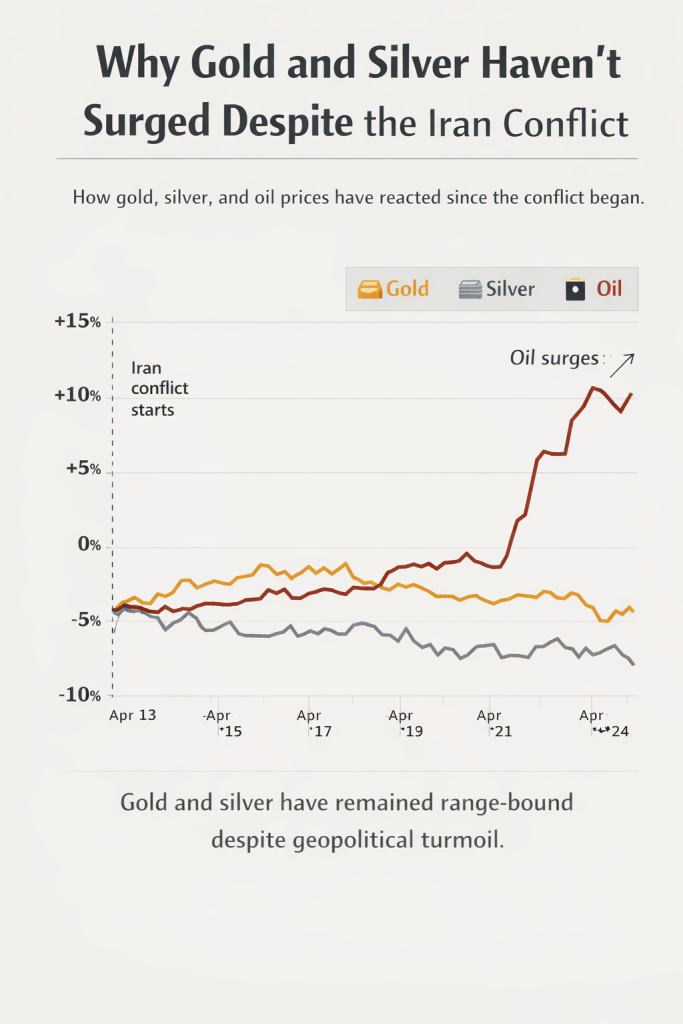
    Geopolitical turmoil, such as the recent escalation in the Iran war, often drives investors toward traditional safe-haven assets like gold and silver. Yet, despite attacks on ships in the Strait of Hormuz and rising oil prices, precious metals haven’t seen the dramatic spike many expected. Understanding why requires a closer look at both market psychology and broader economic factors.


    📉 The Safe-Haven Puzzle

    Gold and silver typically gain when investors seek protection from:

    • Geopolitical risk
    • Currency devaluation
    • Inflation concerns

    However, the current market is showing a muted reaction. Prices for gold and silver remain largely range-bound, even as energy markets and equities react to the Middle East conflict.


    🔹 Key Factors Suppressing Precious Metals

    1. Strong U.S. Dollar
      Despite the war, the U.S. dollar has strengthened. A stronger dollar makes gold and silver more expensive for holders of other currencies, reducing demand.
    2. Inflation vs. Interest Rates
      Inflation is rising due to energy costs, but central banks are still maintaining relatively high interest rates. Higher rates increase the opportunity cost of holding non-yielding assets like gold and silver.
    3. Risk Appetite in Other Assets
      Some investors are rotating into energy stocks or commodities that may benefit directly from higher oil prices rather than into metals. This has diverted capital away from gold and silver.
    4. Short-Term Market Sentiment
      Precious metals often react to immediate, tangible shocks—like a sudden currency crisis or global financial panic. While the Iran conflict is serious, markets have priced in a gradual escalation, and interventions such as the IEA oil reserve release may reduce panic-driven buying.

    🔹 Metals Outlook

    Analysts suggest that if geopolitical tensions escalate further, or if energy-driven inflation pressures persist, gold and silver could still see a delayed surge. For now, though:

    • Prices remain range-bound
    • Safe-haven buying is tempered by strong dollar and higher rates
    • Market participants are weighing oil market profits versus traditional hedges

    📊 Bottom Line

    Gold and silver are not always the immediate beneficiaries of geopolitical turmoil. Current economic conditions—strong dollar, elevated interest rates, and alternative avenues for hedging—are suppressing the metals’ typical reaction to risk.

    Investors looking for safe havens may need to wait for further escalation or clear signs of economic stress before metals see a meaningful rally.


    How Iran’s Attacks in the Strait of Hormuz and Record Oil Reserve Releases Are Shaking Global Markets

    The past week has delivered some of the most dramatic swings in energy and financial markets in years. As Iran ramps up attacks on commercial vessels in the Strait of Hormuz—a waterway that normally handles about 20% of global oil shipments—oil markets have rocketed, some producers have cut output, and governments have responded with unprecedented intervention.


    🛢️ Oil Markets: Prices Up, Volatility Up

    Despite a historic intervention by the International Energy Agency (IEA) to release 400 million barrels from global strategic reserves—the largest such release in history—oil prices have remained elevated and volatile. Crude benchmarks like Brent have traded above $90–$100 per barrel as supply fears persist.

    This demonstrates two key points:

    1. Reserve releases temper extreme price spikes, but they cannot fully offset sudden disruptions.
    2. Markets are pricing in a significant risk premium because the Strait of Hormuz remains threatened and regional energy infrastructure is under attack.

    ⚓ The Strait of Hormuz: A Choke Point With Global Reach

    The Strait of Hormuz is a critical artery for global oil. Any disruption affects not only Iranian exports but also supplies from Saudi Arabia, Iraq, Kuwait, and the UAE. Even temporary interruptions trigger rapid price swings as traders hedge for worst-case scenarios.


    📉 Broader Market Impact

    1. Stock markets have wobbled — global equity indexes dipped as oil prices surged and inflation fears grew. Energy costs affect transportation, manufacturing, airlines, and logistics.
    2. Supply chains beyond energy are strained — freight disruptions and rising shipping costs ripple through global commodity flows.
    3. Safe-haven assets are in demand — investors rotate into bonds, gold, and other low-risk assets during periods of uncertainty.

    💹 Inflationary Pressure Forecast

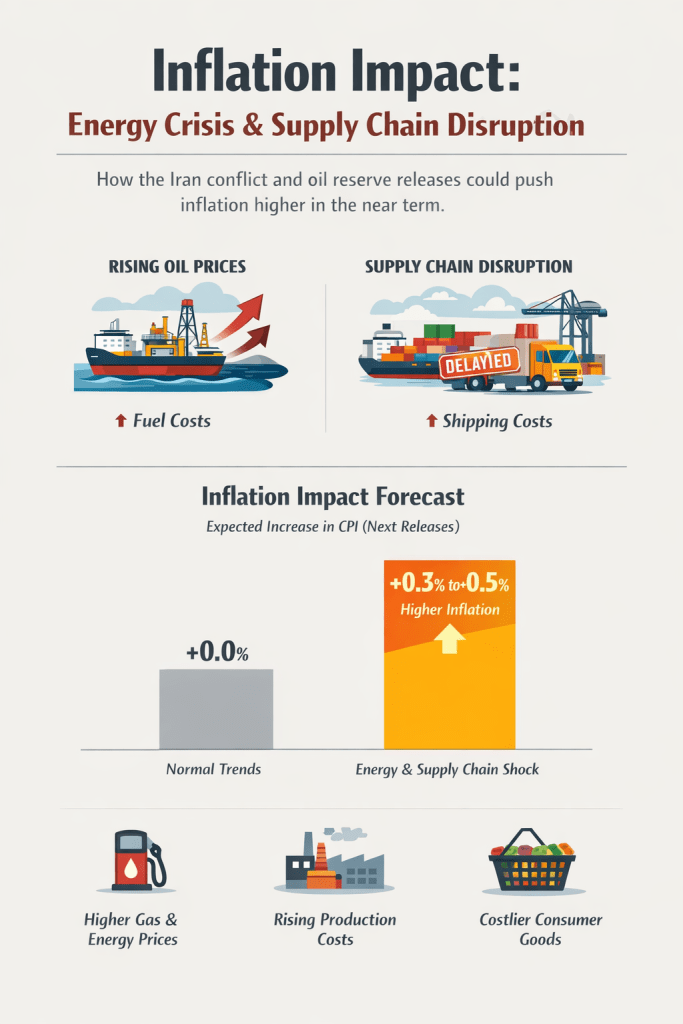
    The combination of elevated oil prices and disrupted shipping routes is expected to push inflation higher in the near term. Key points:

    • Transportation costs rise as shipping becomes riskier and fuel prices climb.
    • Goods production costs increase because petroleum-based inputs for manufacturing and chemicals become more expensive.
    • Consumer prices for energy and essential goods are likely to increase in the coming months, adding pressure on headline inflation.

    Analysts forecast that inflation readings could be 0.3–0.5% higher than baseline expectations in the next CPI releases, primarily driven by energy and transportation costs. Central banks may respond cautiously, weighing both the temporary nature of the shock and the risk of broader economic slowing.


    🧠 What the IEA Release Really Means

    The coordinated release of 400 million barrels is extraordinary:

    • Provides near-term supply relief
    • Signals global policymakers are taking the energy shock seriously
    • Demonstrates international cooperation in a global energy crisis

    However, markets see it as a stabilizing buffer, not a permanent solution. If attacks in the Strait of Hormuz continue, oil supply shocks and inflationary pressures are likely to persist.


    📊 In Summary

    With Iran attacking ships in the Strait of Hormuz and a record oil reserve release underway, markets are reacting on multiple fronts:

    • Oil prices remain elevated and volatile.
    • Equity markets are cautious due to inflation and growth concerns.
    • Supply chain costs beyond energy are climbing.
    • Inflationary pressure is expected to rise in the near term.

    Even with strategic reserve releases, the uncertainty surrounding shipping lanes and regional energy security will keep markets headline-driven in the coming weeks.


    Iran War: Impact on Oil Production, Prices, and the Global Supply Chain

    The ongoing conflict involving Iran has quickly become one of the most significant shocks to global energy markets in recent years. Because the Middle East sits at the center of global oil production and transportation, disruptions in the region can ripple through the entire energy ecosystem—from crude production to transportation networks and global supply chains.

    Impact on Oil Production

    Iran is a meaningful oil producer. Under normal conditions, the country produces roughly 3.2 million barrels of oil per day, exporting about 1.4 million barrels daily to global markets.

    However, the broader risk extends far beyond Iran’s own output. Military strikes, infrastructure damage, and regional instability have the potential to affect oil facilities across multiple Gulf producers and disrupt logistics throughout the region. In total, disruptions in the region could threaten up to one-fifth of global oil supply, making the conflict a major global energy event rather than a localized issue.

    Oil production can also fall indirectly during conflicts because:

    • Workers evacuate or halt operations
    • Facilities are damaged or temporarily shut down
    • Export terminals become inaccessible
    • Tanker shipping becomes unsafe

    Even temporary shutdowns can tighten global supply significantly.

    Disruption of Shipping Routes

    One of the biggest risks comes from the Strait of Hormuz, a narrow shipping channel between Iran and Oman that handles roughly 20% of the world’s oil shipments.

    During periods of conflict, shipping activity in the strait often slows as tanker operators avoid the area due to security risks. When shipping routes become unstable:

    • Oil exports slow or stop
    • Tankers remain anchored offshore
    • Storage facilities fill up
    • Global energy supply chains tighten

    Because so much oil passes through this chokepoint, even the threat of disruption can cause markets to react immediately.

    Impact on Oil Prices

    Energy markets typically see sharp volatility during geopolitical conflicts in the Middle East. Prices often rise quickly as traders price in potential supply shortages and geopolitical risk.

    Several factors push prices higher during conflicts:

    • Reduced production capacity
    • Shipping disruptions
    • Increased insurance and transport costs
    • A geopolitical “risk premium” added by traders

    Even if physical supply remains mostly intact, markets often bid prices higher simply due to uncertainty.

    Effects on the Global Supply Chain

    Higher oil prices and disrupted shipping routes can have far-reaching consequences beyond the energy sector. Oil is a fundamental input into transportation, manufacturing, and logistics worldwide.

    When oil prices rise or supply becomes unstable, supply chains may experience:

    Higher transportation costs
    Trucking, rail, shipping, and air freight all rely heavily on fuel. Rising fuel prices increase the cost of moving goods globally.

    Manufacturing cost pressures
    Many industrial materials and chemicals depend on petroleum-based inputs, which can increase production costs.

    Shipping delays and bottlenecks
    If tanker traffic slows through key routes like the Strait of Hormuz, it can delay deliveries and tighten global inventories.

    Food and consumer price pressure
    Higher transportation and fertilizer costs can eventually flow through to food and consumer goods prices.

    Broader Economic Implications

    Energy price shocks have historically rippled through the broader economy. Rising oil prices can increase business operating costs, reduce consumer purchasing power, and contribute to inflation.

    For consumers, the most visible effects are often:

    • Higher gasoline prices
    • More expensive shipping and transportation
    • Rising costs for everyday goods

    The Bottom Line

    The Iran conflict is impacting the global energy system through multiple channels at once: potential disruptions to production, threats to key shipping routes, and heightened geopolitical risk.

    Together, these factors are increasing volatility in energy markets and putting pressure on global supply chains. Even if the conflict stabilizes in the near term, the ripple effects could continue influencing energy markets and global trade for months.