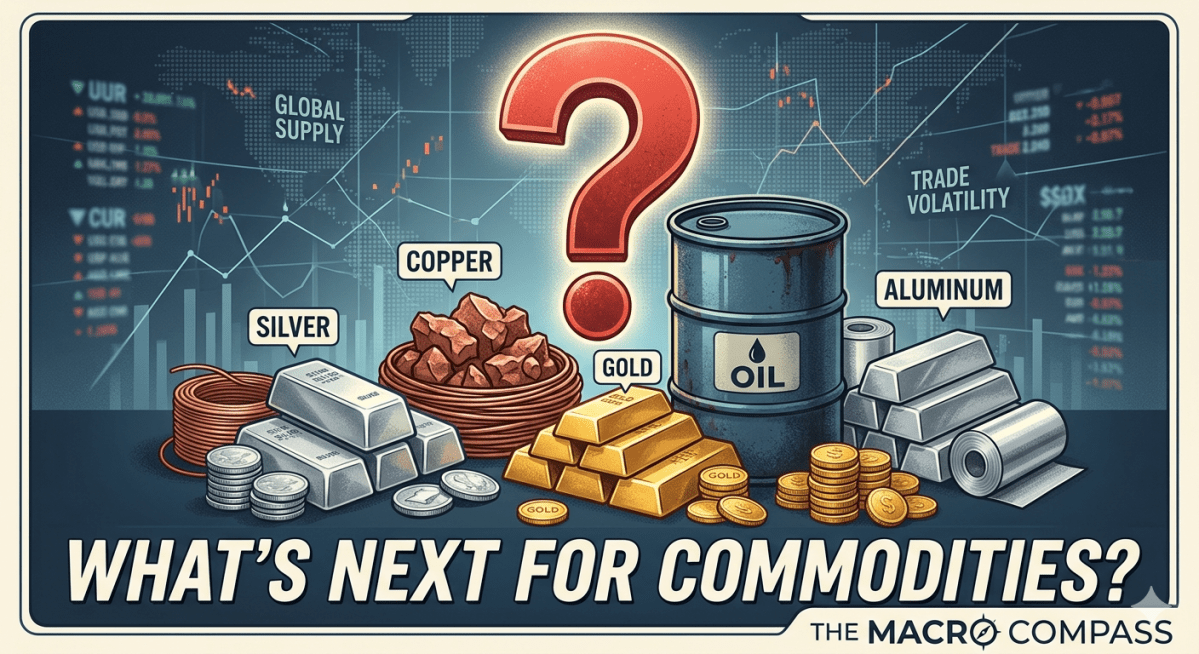
The 2026 Resilience Report: Navigating the Middle East Crisis and the “Safe-Haven” Paradox

As March 2026 concludes, escalating military tensions and the closure of the Strait of Hormuz are triggering an economic crisis with surging oil prices and rising inflation in essential goods. Investors are urged to hedge with metals and consider energy stocks due to an extreme Gold-to-Oil ratio, while a strengthening dollar influences gold prices.

As we enter the final week of March 2026, the global economy is facing a perfect storm. With “Operation Epic Fury” escalating and up to 10,000 additional U.S. troops headed to the Middle East, the Strait of Hormuz remains a volatile chokepoint that is effectively redrawing the map for American investors.

For the readers of The Macro Compass, the primary question isn’t just “What is happening?” but “How do I protect my capital?” Here is your strategic navigational chart for the week ahead.


The Energy Shock: Beyond the Gas Pump

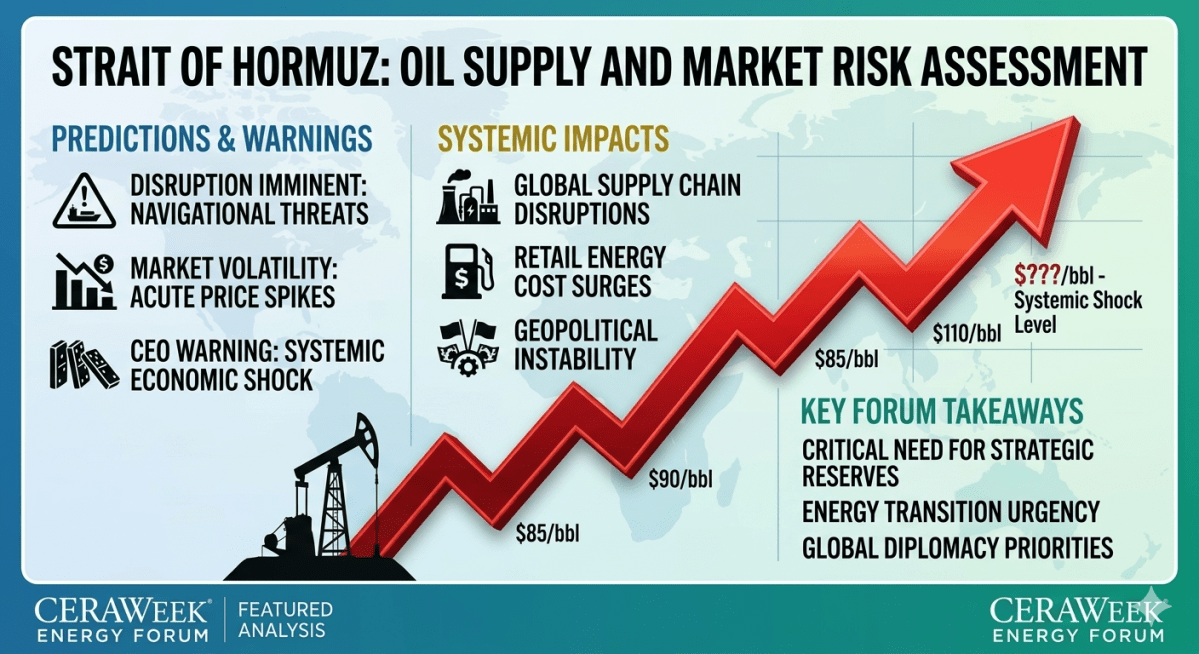
The closure of the Strait is no longer a regional headline—it is a systemic shock to the cost of living. With 20% of global oil and 25% of liquefied natural gas (LNG) currently trapped, Brent crude has surged past $112 a barrel.

  • The Inflationary Tsunami: At the recent CERAWeek conference in Houston, oil CEOs like Chevron’s Mike Wirth and Aramco’s Amin Nasser warned that we are underestimating the “physical manifestations” of this closure.
  • The Hidden Hit: It’s not just fuel. The region is a titan in the fertilizer market. With supply lines cut, global farming costs have jumped 38%, a move that guarantees double-digit food inflation through the next harvest cycle.

The Safe-Haven Paradox: Are Metals Still the Answer?

When the drums of war beat louder, the traditional playbook says “buy gold.” But in 2026, that playbook is being rewritten by a surging U.S. Dollar.

  • Gold ($4,524/oz): Gold remains the ultimate “portfolio insurance,” but we are seeing a sharp pullback from January’s highs of $5,600. This isn’t a lack of faith; it’s a scramble for liquidity.
  • Silver ($94/oz): Caught in a “dual identity” crisis, silver is both a monetary hedge and a critical component in the AI and 5G revolutions. Despite recent volatility, the structural supply deficit makes it a strong long-term play.
  • Base Metals: If you want to know where consumer prices are headed, watch Copper and Aluminum. Both have surged as international buyers pay record premiums to secure supply.

Strategic Rotation: The Gold-to-Oil Ratio

The Macro Compass is currently tracking a historic anomaly. The Gold-to-Oil Ratio—the number of barrels of oil an ounce of gold can buy—is sitting at a staggering 40:1.

Historically, this ratio hovers around 15 to 20. A ratio this high suggests that while gold has done its job as a hedge, energy equities (XLE) are now significantly “cheaper” relative to bullion than they have been in decades. We are transitioning from a “buy everything” metals phase to a selective accumulation phase where energy stocks may offer better value.


The Bottom Line: A “Risk-Off” Reality

President Trump has characterized the military buildup as leverage for a peace deal, but the markets are pricing in a prolonged conflict. Expect continued volatility in the S&P 500, which has already shed over 4% this month.

The Macro Compass Strategy:

  1. Hedge with Metals: Maintain a 5%–10% “insurance” allocation in physical gold or silver.
  2. Rotate into Energy: Look for entries in diversified energy producers while the Gold-to-Oil ratio remains at extremes.
  3. Watch the Dollar: A strengthening USD will act as a “ceiling” for gold prices in the short term.

Market analysis provided by The Macro Compass is for informational purposes only. Geopolitical events are highly volatile; please consult with a financial advisor before making investment decisions based on conflict-related data.
“Economic Terrorism”: Energy Titans Warn of a Long-Term Crisis at the Strait of Hormuz

Energy executives at CERAWeek warned that the global economy is underestimating the blockade at the Strait of Hormuz, leading to a severe supply crisis. With 20% of global oil stranded and systemic inflation rising, the impact on prices for consumers will be significant. The situation is expected to disrupt the economy for months.

The world’s most powerful energy executives gathered this week at the CERAWeek conference in Houston, and their message was blunt: the global economy is drastically underestimating the severity of the blockade at the Strait of Hormuz. What started as a regional military standoff has evolved into what ADNOC CEO Sultan Al Jaber calls “economic terrorism against every nation.”

As “Operation Epic Fury” enters its second month, here is the reality check from the men and women who run the world’s oil and gas supply.

The “Nightmare Scenario” for Supply

For weeks, the market hoped for a quick resolution. The CEOs have officially ended that optimism. Chevron CEO Mike Wirth warned that investors are trading on “scant information” and have not yet felt the “physical manifestations” of the closure.

The logistical math is grim:

  • Stranded Assets: Roughly 20% of global oil and 25% of liquefied natural gas (LNG) are currently trapped behind the blockade.
  • The “Help!” Calls: Cheniere Energy CEO Jack Fusco revealed he is receiving desperate calls from Asian buyers as the final pre-war shipments of Qatari gas make landfall. Once those are gone, the “dry spell” begins.
  • Infrastructure Damage: Saudi Aramco’s Amin Nasser confirmed that missile and drone attacks have caused “catastrophic” damage to regional infrastructure, meaning supply won’t just “flicker back on” even if the Strait opens tomorrow.

The Inflationary Tsunami: What This Means for Your Wallet

The primary concern for consumers is no longer just the price of a gallon of gas; it’s the systemic inflation triggered by a $112+ barrel of oil.

  1. “Cost-Push” Inflation: When energy costs spike, the cost of manufacturing and transporting everything follows. We are seeing a “cascading effect” where prices for groceries, plastics, and electronics are adjusted upward weekly to account for surging freight and power costs.
  2. The Fertilizer Crisis: Shell CEO Wael Sawan noted that the shock is moving West. Because the Middle East is a hub for fertilizer production, the blockade is driving up farming costs globally, guaranteeing double-digit food inflation through the next harvest cycle.
  3. The Fed’s Corner: With energy-driven inflation soaring, the Federal Reserve faces a “Stagflation” trap—forced to keep interest rates high to battle rising prices even as the military conflict threatens to slow down global economic growth.

Market Reaction: A “Risk-Off” Reality

The CEOs’ warnings have sent a chill through Wall Street. ExxonMobil CEO Darren Woods noted that the company has already evacuated non-essential staff from the region, a move mirrored by many multinationals.

Investors are pivoting away from high-growth tech stocks and toward “defensive” plays:

  • Winners: Large-cap Energy (XLE) and Defense contractors remain the only green spots on the board.
  • Losers: Airlines and Retailers are being hammered by the dual threat of high fuel surcharges and cooling consumer demand.

The Bottom Line: The “Leverage” strategy of deploying 10,000 more troops is being watched closely, but the energy industry is already bracing for a multi-month disruption. As Kuwait Petroleum’s CEO put it, the global economy is currently being “held hostage,” and the ransom is being paid by every consumer at the checkout counter.


Market analysis provided by The Macro Compass is for informational purposes only. Geopolitical events are highly volatile; please consult with a financial advisor before making investment decisions based on conflict-related data.